

What are speech, language and communication needs?

Speech, language and communication needs (SLCN) is an umbrella term. Children with SLCN may have difficulty with many aspects of communication. These can include difficulties with fluency, forming sounds and words, formulating sentences, understanding what others say and using language socially.
Speech, language and communication needs can occur in childhood as primary difficulties with speech, language and communication or secondary to other neuro-developmental conditions such as autism. In some cases, the cause of a child’s SLCN is unknown.
SLCN are some of the most common childhood concerns.
rcslt-communication-needs-factsheet.pdf
Many children experiencing social and economic adversity may present with Speech, language and communication concerns, however there is an opportunity for primary prevention with this population by supporting parents to provide responsive interactions with their baby and child at earliest stage.
Persistent SLCN
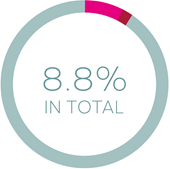
7% of children aged about five years have specific speech, language and communication impairment and a further 1.8% have SLCN linked to other conditions, such as learning disability, cerebral palsy and autism spectrum disorders.
Delayed language
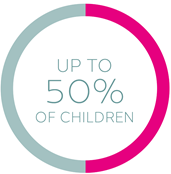
There is a group of children who are starting school with SLCN who have poor or delayed language skills. These children may have a small vocabulary, be just starting to join words together, find it hard to listen and may sound like a much younger child. With the right support, they may catch up with their peers. In some areas, particularly areas of social disadvantage, this group may be up to 50% of children.
Untreated SLCN
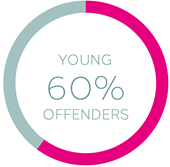
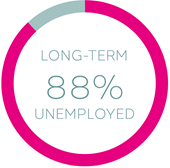
Speech, language and communication needs can have a direct impact on children’s development and educational outcomes, health and wellbeing. If left unaddressed, they can adversely affect children across their life span. For example, as many as 60% of young offenders and 88% of long-term unemployed young men have been found to have SLCN. (Bryan et al 2009).
Children and young people who have experienced adversity and trauma
Children and young people who have experienced adversity or trauma are more likely to have poor language and communication skills.
Children who experience economic disadvantage are also more likely to experience early language difficulties. Babies and young children experiencing poverty may face additional risks for poorer SLC outcomes. Poverty and social inequality are known to impact across the child’s whole life course, affecting health, wellbeing, attainment outcomes and wider life chances.
It is estimated that in some areas of disadvantage up to 50% of children could be starting school with a delay in their language development.
It is critical to recognise the dynamic, multifactorial nature of early SLC concerns. Practitioners should be evidence informed about the nature of the risks and the unique circumstances of every parent and child should be considered without assumptions.
Impact on wellbeing and outcomes
Speech, language and communication needs can have a direct impact on children’s development and educational outcomes, health and wellbeing. If left unaddressed, they can adversely affect children across their life span. For example, as many as 60% of young offenders and 88% of long-term unemployed young men have been found to have SLCN.
Communication Skills: What’s the Problem and Why does it Matter? – national early language and communication project use the term speech, language and communication needs (SLCN) to describe difficulties across one or many aspects of communication.
RCSLT use the term speech, language and communication needs to describe difficulties across one or many aspects of communication including:
Children may have difficulties sharing their attention with others or listening to what has been said to them. They may struggle to concentrate on a game or activity for even a short period of time, flitting from one task to another without completing anything.
Children may have difficulty interacting with others or with social communication skills. They may struggle to use their language skills effectively to have conversations, play and interact socially with others. This can include poor eye-contact, difficulties taking turns in a conversation, difficulties keeping to the topic of conversation and showing awareness of the listener.
Children may struggle to understand and make sense of words that they hear. They may struggle to follow instructions and make sense of the language they hear around them.
Children may find it difficult to express their ideas, wants or feelings. They may have a small vocabulary for their age or have difficulty building up sentences and using correct grammar.
Children may have speech which is difficult to understand which might include difficulty in making different sounds. They may have difficulty discriminating between speech sounds.
Voice problems i.e. hoarse voice or persistent voice loss. An unusual and persistently harsh or unusual voice quality.
For more information on Speech, Language and Communication Needs or to find a specific topic, please visit the A-Z of Speech, Language and Communication.
Voice problems i.e. hoarse voice or persistent voice loss. An unusual and persistently harsh or unusal voice quality.
Resources

For professionals
National Early Language and Communication Project – summary report
Which factors are associated with better and poorer SLC outcomes? Early Speech, Language and Communication Development
https://www.mefirst.org.uk/resource/dont-get-me-wrong/ this booklet is for anyone working with children and young people, who have some understanding of speech, language and communication needs (SLCN) but would like more information.
Educators and professionals - Speech and Language UK: Changing young lives Speech and Language UK resources for educators and professionals
Speech and language therapy factsheets | RCSLT Royal College of Speech and Language Therapists factsheets
For parents
Help for families - Speech and Language UK: Changing young lives Speech and Language UK – Help for families